
About
- Home
- About
- Life
Early Life & Community Roots
Birthplace and Tribal Background
Nanak Bhil was born into the Bhil tribal community, one of the oldest indigenous groups of the Indian subcontinent. His early life was deeply rooted in the traditions, customs, and collective values of his people. Growing up within a close-knit tribal society shaped his worldview, instilling in him a strong sense of identity, resilience, and responsibility toward community welfare. This cultural foundation played a crucial role in defining his leadership and commitment to tribal rights.
Tribal Origins: Belonged to the Bhil tribe, known for its rich cultural heritage and history of resistance.
Cultural Upbringing: Raised in an environment guided by tribal customs, values, and community solidarity.
Identity & Purpose: His birthplace and background strongly influenced his dedication to protecting tribal dignity and self-rule.

Family, Upbringing, and Early Influences
Nanak Bhil grew up in a traditional tribal family where values such as unity, mutual support, and respect for nature were central to daily life. His family played an important role in shaping his character, teaching him the importance of responsibility, courage, and service to the community. From an early age, he was influenced by elders, oral traditions, and stories of tribal resilience, which nurtured a strong sense of justice and leadership. These early experiences laid the foundation for his commitment to social responsibility and tribal empowerment.
Family Values: Raised in a close-knit tribal family that emphasized solidarity and shared responsibility.
Early Learning: Guided by tribal elders, folklore, and community traditions.
Formative Influence: Early exposure to injustice and resistance shaped his leadership mindset and moral strength.
- Rise
Awakening & Leadership
Awakening
Nanak Bhil’s awareness grew from lived experiences of injustice and hardship faced by his people. This awakening shaped his resolve to stand up for tribal dignity and collective rights.
Mobilization
Nanak Bhil’s awareness grew from lived experiences of injustice and hardship faced by his people. This awakening shaped his resolve to stand up for tribal dignity and collective rights.
Leadership
Nanak Bhil’s awareness grew from lived experiences of injustice and hardship faced by his people. This awakening shaped his resolve to stand up for tribal dignity and collective rights.
- Purpose
Connection with Tribal Identity and Justice
Nanak Bhil’s life and leadership were deeply rooted in the preservation of tribal identity and the pursuit of justice. He believed that cultural pride, self-respect, and community unity were essential foundations for social equality. Through his actions and influence, he emphasized the importance of protecting indigenous traditions, land, and rights while standing firmly against exploitation and injustice. His vision of justice was not limited to resistance alone but extended to empowering tribal communities with confidence, dignity, and a strong sense of belonging.
- Sacrifice
Struggles, Sacrifice & Martyrdom
Struggle
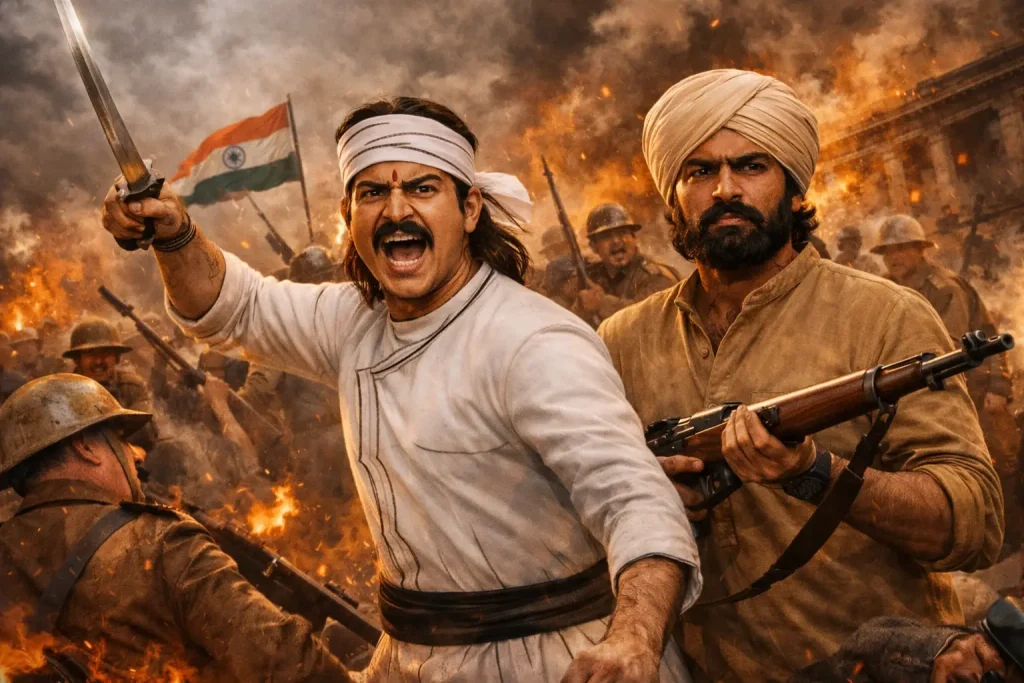
Facing oppression, Nanak Bhil confronted powerful forces with courage, enduring hardship, threats, and persecution while refusing to abandon principles of justice, community dignity, and tribal rights.
01
Sacrifice
His leadership demanded sacrifice, placing community welfare above personal safety, comfort, and freedom, accepting suffering as necessary for protecting tribal unity, values, identity, and collective future.
02
Martyrdom
Ultimately, Nanak Bhil attained martyrdom, his sacrifice becoming a lasting symbol of resistance, inspiring generations to honor courage, justice, and unwavering commitment to tribal dignity forever.